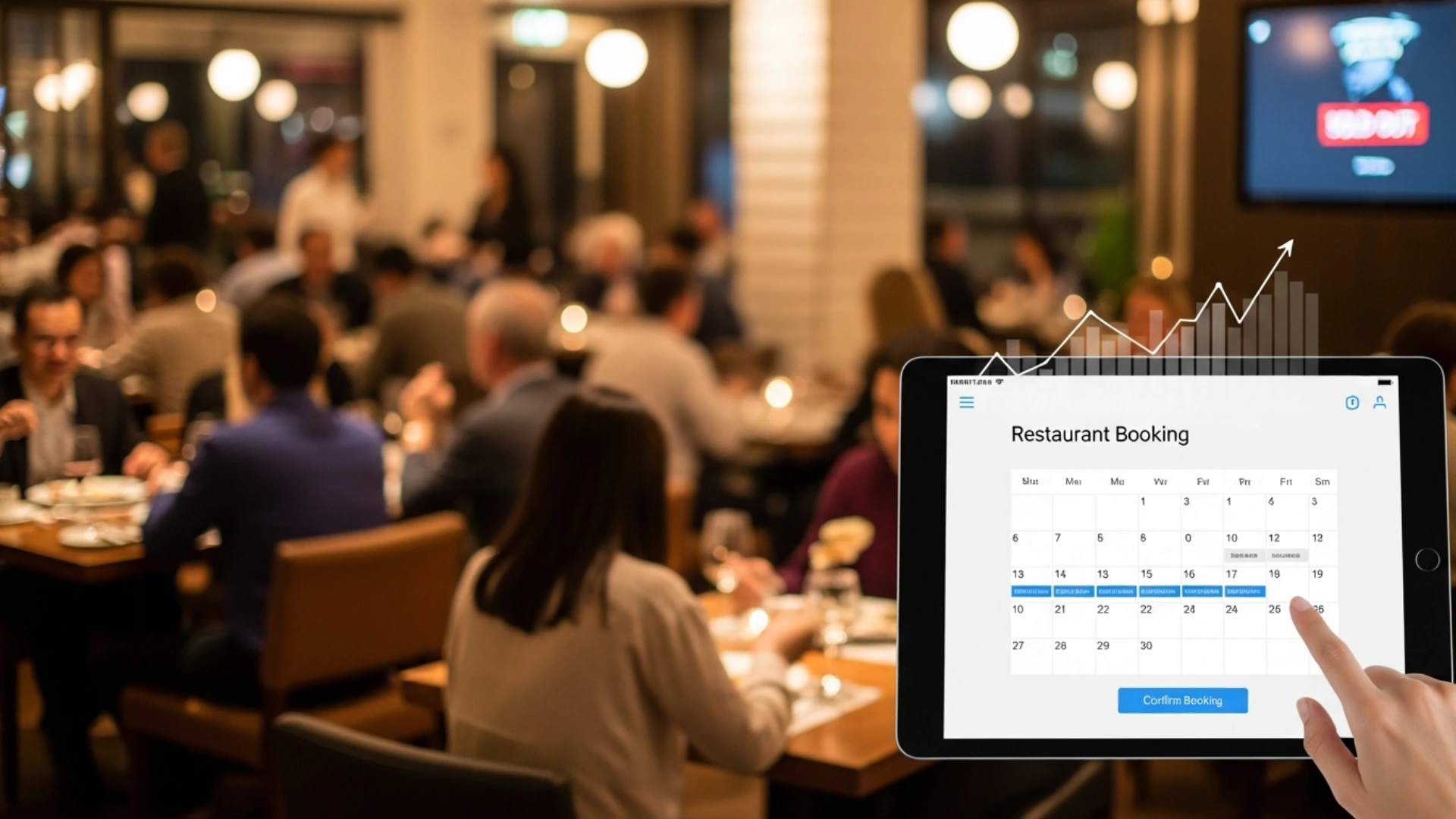
How Restaurant Booking Software Can Help Increase Restaurant Revenue
A table that sits empty because no one sent a reminder and an order that goes through Deliveroo instead of your own site, those two things are quietly costing UK restaurants more than any bad review could. The right booking software helps increase restaurant revenue by filling seats by reducing no-shows and letting you take orders directly, without handing 13–30% of the sale to a delivery app. Many restaurants notice the change within the first few weeks of switching, and neither adjustment affects your menu or costs.
Why This Matters More in 2026
Over the past few years, rent, electricity, and wages have all increased significantly. The result is straightforward, an empty table now costs a restaurant considerably more than it would have in 2023. There’s less room for error than there used to be.
That pressure lands in an already crowded market. In the UK, tens of thousands of restaurants are competing for the same clientele, and those who succeed aren’t always offering better cuisine. Typically, what makes them unique is how successfully they’ve simplified order processing, loyalty programs, and reservations.
The Real Cost of No-Shows (It's Bigger Than Most Owners Think)
No shows cost UK hospitality businesses an estimated £17.6 billion a year in lost sales, according to research from Zonal and CGA. That’s not a new problem, and it’s not going to fix itself. A few years back, an industry wide awareness campaign actually pushed the no-show rate down. But once attention shifted elsewhere, the numbers crept right back up. The lesson here is hard to miss: reminders and deposits can’t be treated as a one-off fix. They need to be permanent fixtures. Booking software addresses this with a few unglamorous but effective mechanisms:
- Automatic confirmation messages the moment a table’s booked
- Reminder texts or emails the night before, when plans are most likely to change
- Optional deposits on larger group bookings
- One-tap cancellation, so a change of plans frees the table instead of going unrecorded
We cover the specific tactics for reducing no-shows in detail in our guide to preventing no-show restaurant reservations.
Recovering Margin Lost to Third Party Apps
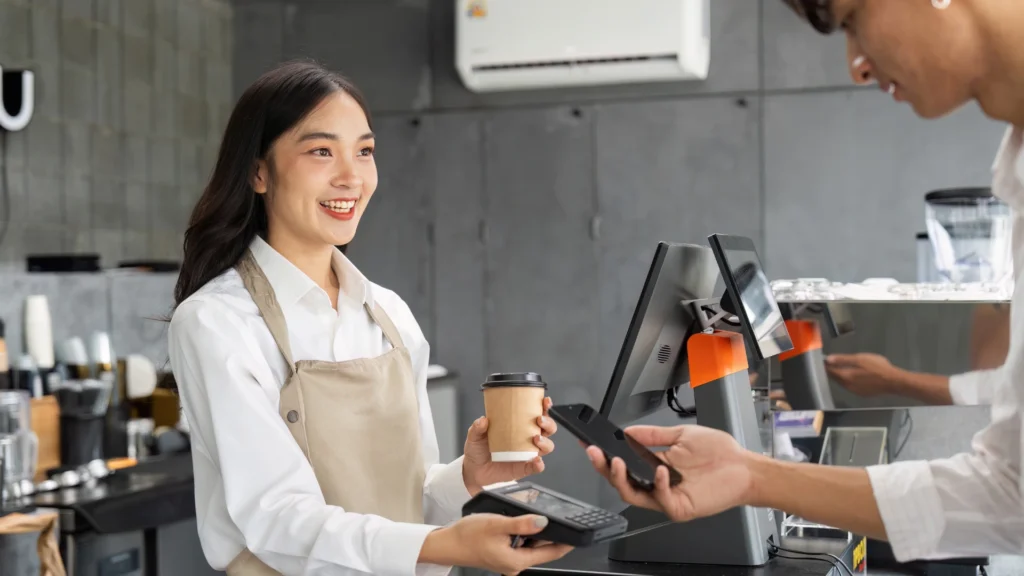
Commissions on delivery platforms like Deliveroo and Uber Eats run between 13% and 30% per order. Over a month of steady volume, that adds up to a significant chunk of revenue leaving the business before it ever reaches your account. A direct ordering system changes that math:
- The customer orders through your own website or app
- You keep the full sale instead of losing 13–30% to a marketplace
- You keep the customer’s contact details, not just the order
It’s one of the fastest, least complicated ways to increase restaurant revenue without raising a single price on the menu.
Diners Are Spending More Per Visit
Fewer people are eating out across the UK. But here’s the thing: those who do are spending more once they’re there. Average spend per visit hit £18.35 in Q1 2026, a 5.5% jump year over year, according to Lumina Intelligence’s consumer data. So customers haven’t vanished. They’ve just gotten pickier about where they hand over their money. And increasingly, that choice comes down to something operational: how smooth the booking and ordering experience is.
Turn One-Time Diners Into Regulars
Retaining an existing customer costs less than acquiring a new one. Most booking platforms now include loyalty tools as standard, and they don’t need to be elaborate to work:
- A small discount or a free side on a customer’s birthday
- A thank-you offer after their third or fourth visit
- A simple points system that adds up towards a future meal
These aren’t sophisticated marketing tactics. They’re small, consistent nudges that turn a one-off booking into a repeat customer.
Building Your Own Brand, Not the App's
Order through a marketplace, and the customer remembers the app’s logo, not the restaurant’s; that’s just how it works. Run your own booking and ordering system, and every touchpoint, from the confirmation email to the checkout screen, has your name on it. Over time, that builds the kind of recognition that brings people back directly, instead of back to a platform that’s simultaneously promoting three competitors nearby.
One System for Dine-In, Takeaway, and Delivery
Running separate systems for reservations, walk-ins, and delivery orders is where mistakes happen, a double booking here, a missed ticket there. A connected system consolidates all three:
- Reservations, walk-ins, and group bookings in one live diary
- Takeaway and delivery orders are landing straight in the kitchen queue
- Payments and reporting in a single place, instead of three logins
It seems to be a minor operational change. In reality, however, it is the most reliable method for boosting a restaurant’s profitability throughout the year.
A Real Example: What Switching Actually Looks Like
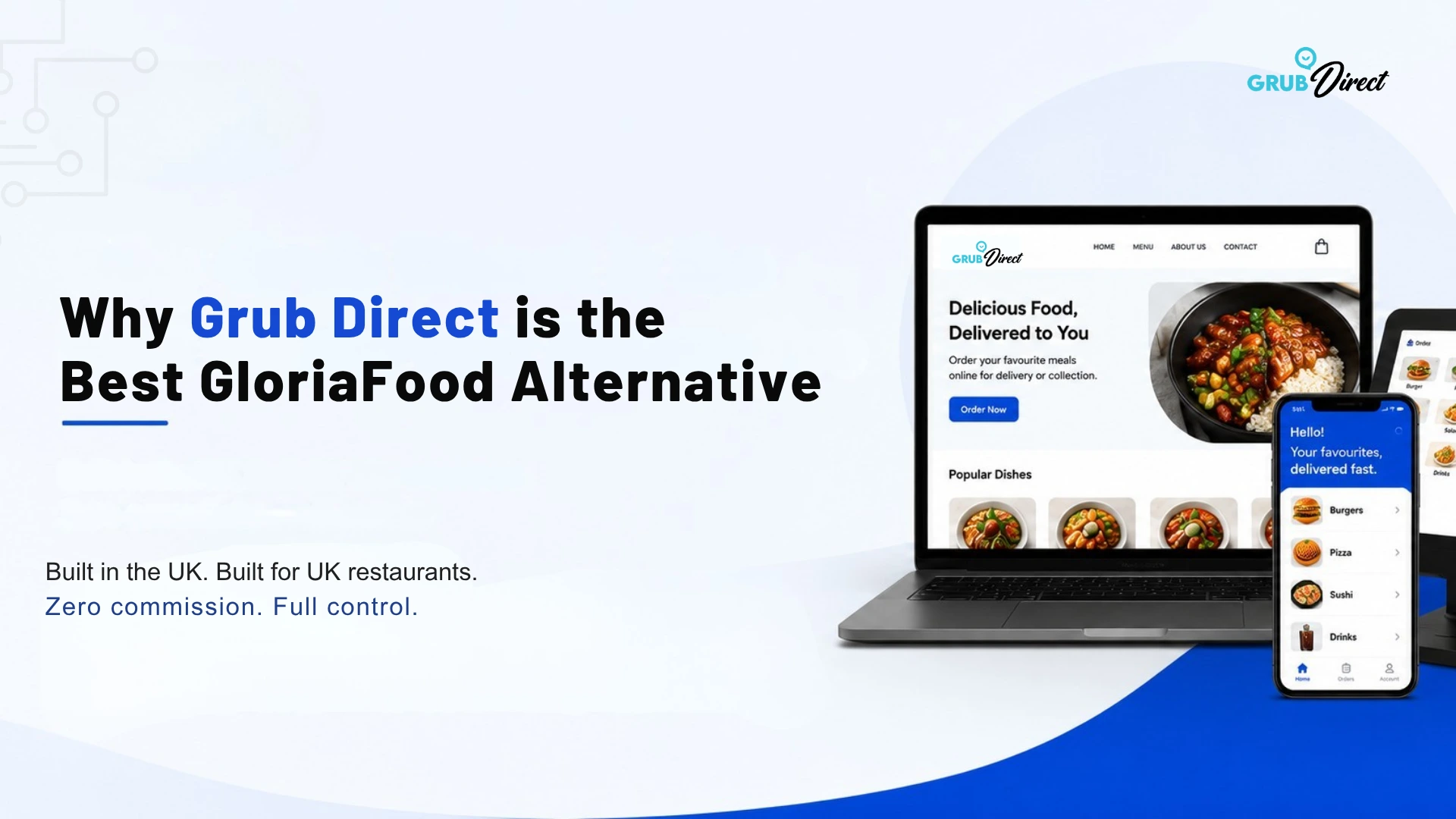
A medium-sized bistro based in Glasgow switched its reservation, order, and payment functions to Grub Direct in February 2026. Within three months, there were increases in direct orders of 28% and savings of about £1,800 per month in commission fees, which they were paying to other delivery applications.
“We didn’t expect the reservations side to make as much difference as the ordering side,” said the restaurant’s general manager. “But the no-show rate dropped almost immediately once deposits and reminders were switched on. That was the bit we hadn’t budgeted for.”
By June, the restaurant had also built a repeat-customer base of over 600 diners through the platform’s loyalty tools, something it hadn’t tracked at all before switching from a paper diary and a mix of delivery apps.
Conclusion
Restaurant profitability rarely comes from one dramatic change. This is about addressing the little everyday things: the seat that remains empty because there was no reminder sent, the delivery that was made by Deliveroo rather than yourself, and the loyal customer who never had any reason to return. Addressing these issues consistently is the most reliable way to increase restaurant revenue without spending extra on marketing.
See how Grub Direct can help you reduce no-shows, accept commission-free online orders, and manage bookings from one platform. Book your free demo today!FAQS
1. What is restaurant booking software?
It’s a system that handles reservations, online orders, and payments in one place, instead of a paper diary and three separate ordering apps that don’t talk to each other.
2. How much do no-shows actually cost restaurants?
Across UK hospitality, no-shows are estimated to cost the industry around £17.6 billion a year, with the no-show rate having risen rather than fallen recently.
3. Can I really take online orders without paying commission?
Yes, a direct ordering system through your own website or app means the customer pays you directly, so you’re not handing over 20–30% to a marketplace on every order.
4. Does booking software help bring customers back?
Most platforms include some form of loyalty tool, points, repeat-visit discounts, or birthday offers, which are a low-effort way to turn first-time diners into regulars.
5. Why do independent restaurants choose Grub Direct specifically?
Because it combines reservations, ordering, and payments into one system without commission fees, which are usually the two things independent restaurants are trying to fix at the same time.